

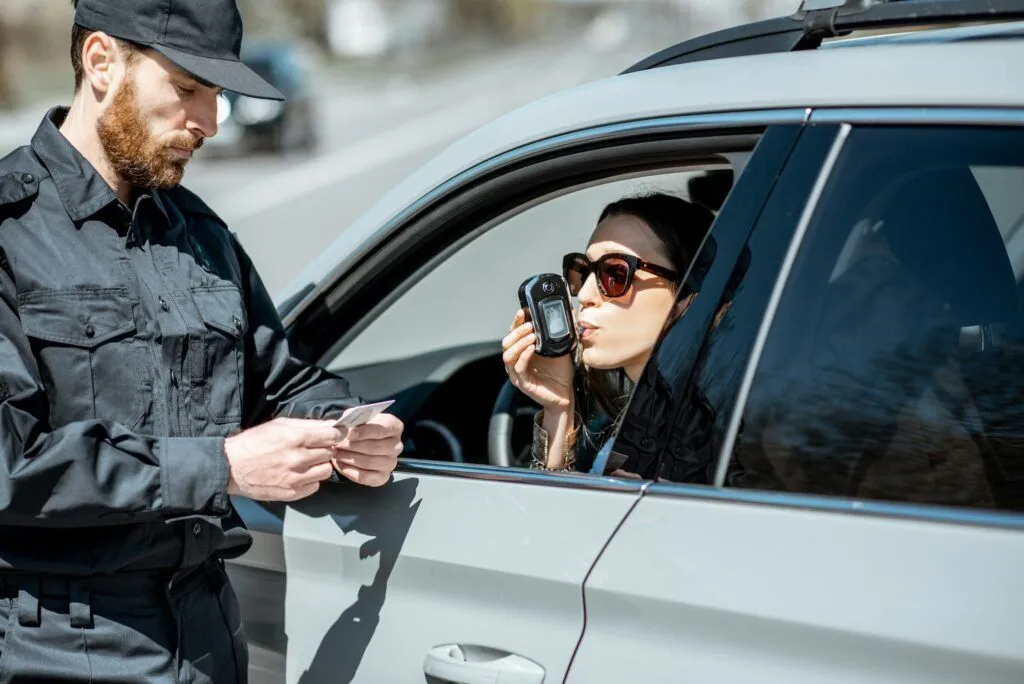
Las Vegas thrives on nightlife, tourism, and movement, rideshares circling resorts, valets hustling, and crowds crossing busy corridors. When alcohol is involved, that motion can turn dangerous fast. Premises liability and drunk driving accident issues in Las Vegas often overlap: a careless driver may collide with a pedestrian because a property left a crosswalk unlit, a valet lane poorly marked, or a garage exit confusing. This article explains how Nevada law treats those intertwined claims, what ” Las Vegas Premises Liability” really covers in this context, and how injured people can protect their rights, with experienced firms, such as Cameron Law, often coordinating the investigation and insurance process.
Overlap between premises liability and drunk driving claims
Alcohol-related crashes rarely happen in a vacuum. In Las Vegas, the setting matters: casino porte-cochères, resort garages, bar patios that open directly to sidewalks, and crowded rideshare pickup zones create complex risk profiles. When a drunk driver causes harm, a property’s design, maintenance, and operations can either reduce the danger, or amplify it.
Common overlap scenarios
- Confusing valet lanes and poorly placed cones that funnel cars toward pedestrians.
- Dim or inconsistent lighting in garage stairwells and exits where drivers and walkers intersect.
- Missing bollards or barriers along sidewalks adjacent to bar or nightclub entrances.
- Ride-hail queues that spill into active traffic lanes without attendants or signage.
- Event venues releasing crowds onto high-speed roadways without traffic control.
Nevada generally does not impose “dram shop” liability on bars for serving alcohol to intoxicated adults. But, an establishment that knowingly serves a minor may face civil liability (NRS 41.1305). That means most overlap cases don’t hinge on the pouring of alcohol, they hinge on the property’s own negligence. If a resort, bar, or municipal property failed to keep its premises reasonably safe and that failure combined with a driver’s intoxication to cause injury, both the driver and the property owner (or operator) can share fault.
A practical example: A tourist is struck in a hotel driveway. The driver’s blood alcohol content shows impairment, but surveillance also reveals the hotel removed delineators, left a crosswalk unlit, and had no attendants as midnight traffic surged after a concert. Under Nevada’s comparative negligence rules, the fact-finder can apportion responsibility across the drunk driver and the property interests based on their respective contributions to the harm.
Unsafe properties leading to public safety concerns
Las Vegas properties shoulder significant responsibilities because pedestrian volumes are high and alcohol service is common. When premises are not designed or maintained with predictable impairment risks in mind, public safety suffers.
Where properties get it wrong
- Lighting: Inadequate illumination at crosswalks, garage ramps, and sidewalk edges near nightlife zones.
- Traffic control: Missing bollards, broken gates, or absent lane markings at valet and rideshare areas.
- Sightlines: Overgrown landscaping or signage that blocks views at driveways and exits.
- Pedestrian routing: Long detours that push foot traffic into vehicle paths, or curb cuts that invite wrong-way entries.
- Security and crowd management: No attendants during peak hours, or failure to respond to reported hazards.
These defects are not abstract. On the Strip and in Downtown Las Vegas, people often leave venues late at night, sometimes impaired, sometimes just tired and distracted. Good design anticipates that reality: clear, redundant signs: barriers that physically separate people from vehicles: lighting that meets or exceeds accepted standards: and staff trained to intervene when conditions deteriorate. Properties that ignore those basics increase the odds that a drunk driver’s mistake turns into a catastrophic injury.
Victim rights under Nevada’s premises liability laws
Nevada law requires property owners and occupiers to use reasonable care to keep the premises in a reasonably safe condition, including addressing hazards they know about or should discover through reasonable inspections. That duty applies to businesses open to the public, casinos, hotels, bars, restaurants, garages, and to landlords and managers who control common areas.
Key Nevada rules frequently at play in Las Vegas Premises Liability cases:
- Statute of limitations: Most personal injury claims must be filed within two years (NRS 11.190(4)(e)). Waiting can mean lost evidence, surveillance video in particular may be overwritten within days.
- Comparative negligence: Damages are reduced by the injured person’s percentage of fault and barred only if that percentage exceeds 50% (NRS 41.141). Apportionment can include drivers, property owners, security contractors, valet companies, and public entities when appropriate.
- Dram shop limitation: Nevada generally shields vendors from liability for serving intoxicated adults, but allows claims for knowingly serving minors (NRS 41.1305).
- Government defendants: Claims against state or local entities are subject to damages caps and no punitive damages (NRS 41.035). Procedures can differ, so timing matters.
- Punitive damages in DUI cases: Against private defendants who drove under the influence, Nevada permits punitive damages without separate proof of malice (NRS 42.010).
Victims also have the right to seek preservation of evidence in a timely manner. In practice, counsel often issues immediate preservation letters to casinos, hotels, and bars requesting that video from all relevant cameras, incident logs, maintenance records, and staffing schedules be retained. That step can make or break a premises liability claim intertwined with a DUI.
Compensation categories available to injured parties
When liability is established, whether solely against a drunk driver or shared with a property owner, Nevada law allows recovery across several categories:
- Medical expenses: Past bills and the reasonable cost of future care, including surgeries, rehabilitation, medications, mobility devices, and psychological support.
- Lost income and earning capacity: Wages missed during recovery and documented reductions in future earning ability.
- Non-economic damages: Pain, suffering, physical impairment, disfigurement, and loss of enjoyment of life.
- Property damage: Vehicle repair or replacement and other personal property losses.
- Wrongful death damages: Funeral costs and loss-related damages available to heirs under Nevada law.
- Punitive damages: Available against intoxicated drivers under NRS 42.010: generally not available against government entities (NRS 41.035) and rarely available against other defendants absent egregious conduct.
In combined-liability cases, insurers may include the driver’s auto policy, the property’s commercial general liability policy, and sometimes excess or umbrella coverage. Coordinating those coverage layers, without double counting or leaving value on the table, requires meticulous documentation and a clear theory of how the premises conditions contributed to the harm.
Proving negligence in property-related accident claims
Every negligence claim rests on four elements: duty, breach, causation, and damages. In DUI-plus-premises cases, the first and last are often clear: the middle two require real work.
Evidence that moves the needle
- Surveillance video: Resorts and casinos typically maintain wide camera coverage. Prompt preservation demands are critical before footage cycles out.
- Incident and maintenance records: Housekeeping logs, lighting inspections, work orders, and prior complaints can show constructive notice or a recurring hazard.
- Scene documentation: Measurements, nighttime photographs, and light-meter readings help establish visibility and sightline issues.
- Prior similar incidents: Evidence of earlier crashes or near-misses makes hazard foreseeability far harder to deny.
- Training and staffing: Schedules and SOPs can reveal understaffing during known peak impairment windows (late-night weekends, event let-outs).
- Expert analysis: Human factors, traffic engineering, and accident reconstruction experts can connect unsafe layouts to predictable driver errors, especially when impairment is present.
Notice and foreseeability
Nevada generally requires proof that a property knew or should have known about the hazard unless it created the danger itself. For example, if a hotel redesigns a valet area and removes barriers that previously protected pedestrians, it can’t claim surprise when a vehicle intrudes into a walking path. Likewise, a bar that routinely experiences crowd overflow into traffic cannot ignore the need for attendants and clear pedestrian routes.
Counsel also anticipates defenses: claims that a condition was “open and obvious,” arguments that a drunk driver’s conduct superseded any premises negligence, or assertions that lighting met code. These issues are addressed with careful field work, standards comparisons, and credible expert testimony that ties property choices to the resulting injuries.