

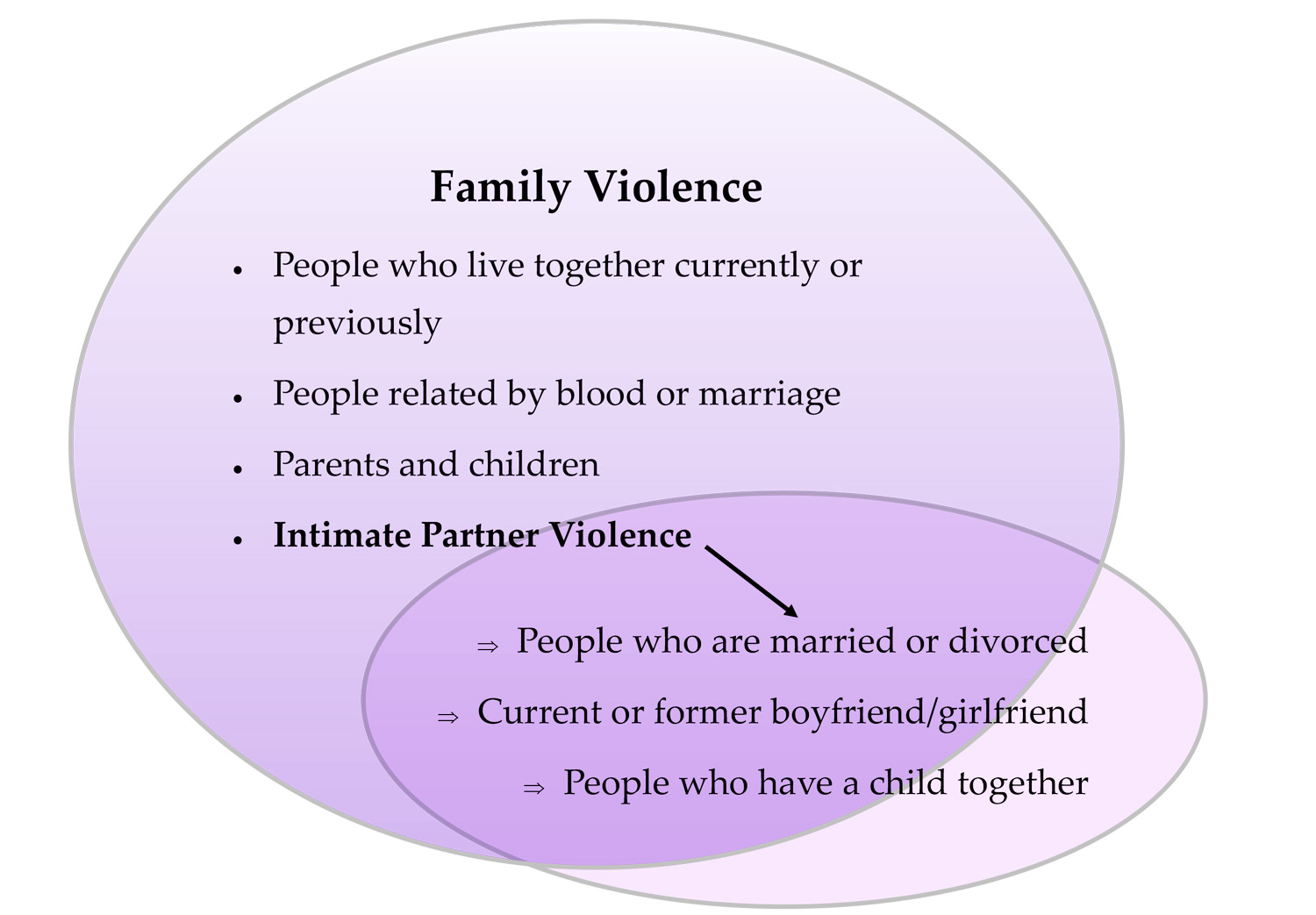
Understanding domestic violence is crucial for everyone. It is not just physical harm. It can include control, manipulation, or intimidation by a partner or family member. Each action that strips away your security and freedom falls under this term. Emotional and financial abuses are as damaging as physical acts.
Domestic violence affects all genders, but men often face unique challenges. The Family Law Center for Men highlights these differences. Their mission is to provide men with the support they need to recognize and address abuse. This support is essential, as societal expectations sometimes silence male victims.
Recognizing abuse is the first step. Once you do, you can seek help and protect yourself. Legal resources, like the Family Law Center for Men, can guide you through this journey. It’s important to understand your rights and know that you are not alone. This knowledge empowers you and helps you find the support you need.
Forms of Domestic Violence
Domestic violence is diverse. It is not always visible. Recognizing the different forms helps in identifying and addressing them.
- Physical Abuse: This includes hitting, slapping, or any form of physical harm. It is the most recognized form of abuse.
- Emotional Abuse: This involves undermining a person’s self-worth. Insults, threats, and isolation are common tactics.
- Psychological Abuse: This form uses intimidation and threats to cause fear.
- Financial Abuse: Controlling finances or restricting access to funds falls under this category.
- Sexual Abuse: Any non-consensual sexual act or behavior can be classified as sexual abuse.
Impact and Statistics
The impact of domestic violence is widespread and severe. It affects mental and physical health. It also impacts children who witness such violence. According to the Centers for Disease Control and Prevention, one in four women and one in ten men have experienced intimate partner violence. This affects communities and burdens healthcare systems.
Recognizing the Signs
Recognizing signs of domestic violence can save lives. You may notice changes in behavior, such as anxiety or withdrawal. Physical signs include unexplained injuries or frequent medical visits. Financial dependence or restricted access to money are also red flags.
Taking Action
Once you recognize the signs, taking action is crucial. The U.S. Department of Justice provides resources for those affected by domestic violence. Legal protection orders can offer safety. Support networks and shelters offer immediate assistance. Seeking legal advice and counseling are also vital steps.
Support Resources
Many resources are available to help those affected by domestic violence.
| Resource | Contact |
|---|---|
| National Domestic Violence Hotline | 1-800-799-SAFE (7233) |
| National Coalition Against Domestic Violence | www.ncadv.org |
| Local Shelters and Advocacy Groups | Find local resources in your area. |
Conclusion
Understanding what qualifies as domestic violence is the first step to prevention and support. By recognizing the signs and knowing where to turn for help, you empower yourself and others. No one should face such challenges alone. With the right resources and support, you can find safety and peace.