

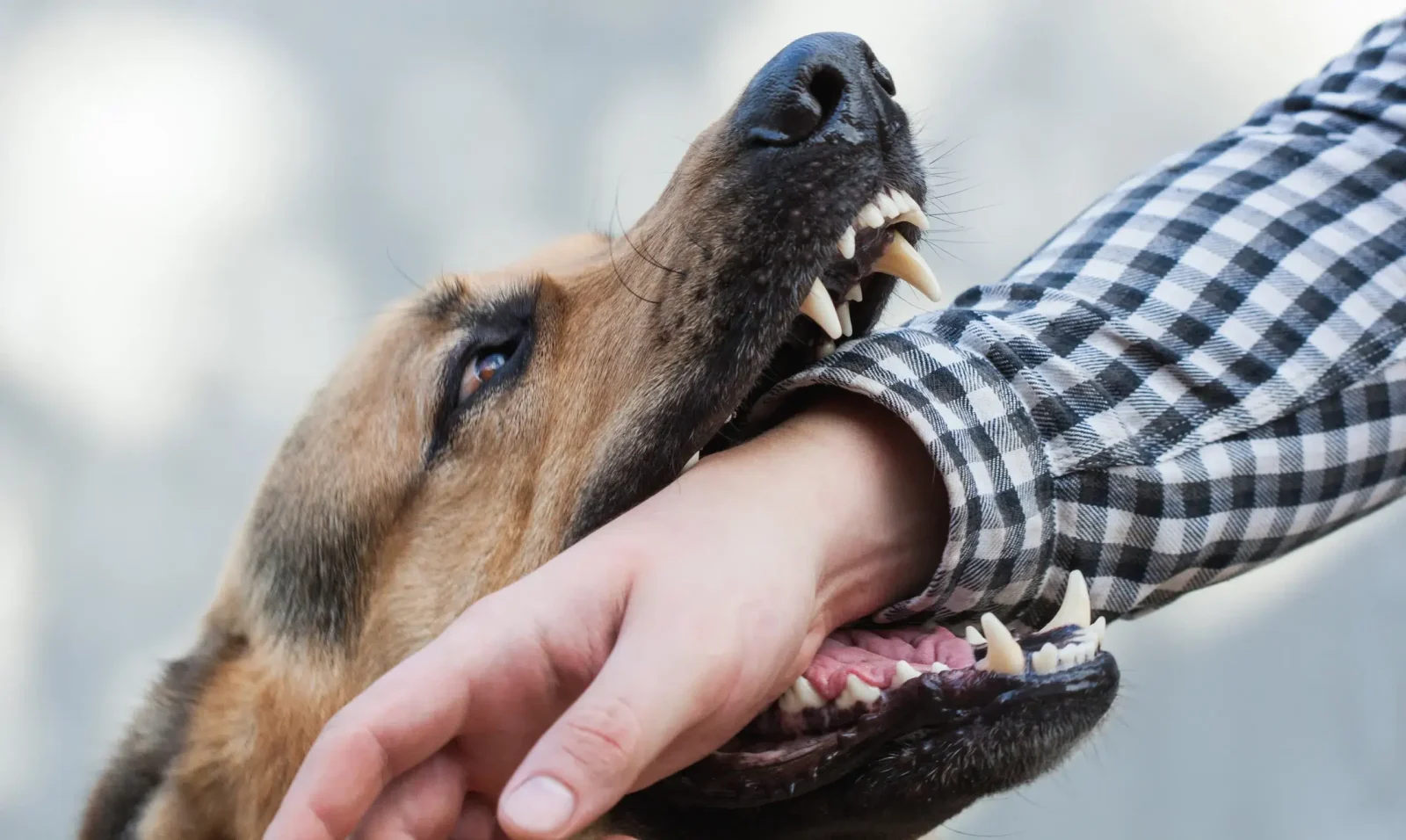
When a dog bite happens on the job, it’s not just a painful surprise, it can derail income, routines, and long‑term health. In Pensacola, these incidents often strike delivery drivers, utility techs, home‑health workers, and employees who enter private property as part of their duties. Florida’s workers’ compensation system covers job‑related animal attacks, but it doesn’t always make an injured worker whole. That’s why Pensacola Dog Bites Lawyers often examine both workers’ comp and potential third‑party claims. With a clear plan, injured employees can secure medical care, wage replacement, and, when applicable, additional recovery for scarring, pain, and other losses under Florida law. Firms such as Michles & Booth regularly guide workers through these overlapping paths so they can focus on healing while their rights are protected.
Workplace risks of animal attacks on Pensacola employees
Pensacola’s workforce spans tourism corridors, historic neighborhoods, and rural edges where dogs freely patrol yards. That mix creates unique exposure to animal encounters, especially for employees whose jobs require entering residential property or unfamiliar worksites.
Common high‑risk roles include:
- Parcel and food delivery drivers navigating daily drop‑offs
- Postal workers and couriers moving door to door
- Utility, cable, pest control, and HVAC technicians accessing yards and meter areas
- Home‑health nurses, aides, and social workers visiting patients
- Landscapers, contractors, and real estate professionals conducting site visits
Risk factors frequently seen in local cases:
- Unsecured or poorly fenced dogs near gates and porches
- Inadequate warnings from property occupants about aggressive pets
- Dogs startled by uniforms, equipment sounds, or vehicle approach
- Pack behavior when multiple dogs are present
- Entry onto property through side yards where visibility is limited
Reasonable employer policies, route notes about known animals, training on approach tactics, and procedures to request owner containment, reduce incidents but can’t eliminate them. When a bite occurs in the course and scope of employment, Florida workers’ compensation is typically the first line of financial protection.
How workers’ compensation applies to job-related dog bites
Florida’s workers’ compensation system is a no‑fault framework: if an employee is bitten while performing work duties, medical care is generally covered regardless of who caused the incident.
Key points for job‑related dog bites:
- Coverage trigger: The injury must arise out of and in the course of employment. Field visits, deliveries, and service calls typically qualify.
- Reporting deadlines: The incident should be reported to the employer as soon as possible. Under Florida law, workers usually must give notice within 30 days of the injury or when they realize it’s work‑related.
- Authorized care: The employer/carrier selects the treating physician. Emergency care is covered, followed by authorized specialists, surgery, infection control, and scar management if medically necessary.
- Wage benefits: If a physician restricts work or declares total disability, temporary wage benefits may be payable, commonly a percentage of the worker’s average weekly wage, subject to waiting periods and statutory caps.
- Job protection: Light‑duty offers must align with medical restrictions. Noncompliance by an employer can complicate benefits but does not erase the injury.
- Long‑term benefits: If a permanent impairment results (for example, nerve damage or reduced function), impairment benefits may apply after maximum medical improvement.
From a health standpoint, timely care matters. Dog bites raise concerns about tetanus, rabies exposure, and bacterial infections: documentation of wound care, antibiotics, and follow‑ups supports both recovery and the claim. Experienced counsel can help if treatment stalls or the carrier disputes the nature of the injury, for example, when psychological trauma or visible scarring affects the worker’s ability to perform public‑facing duties.
Victim rights under Florida’s animal injury laws
Beyond workers’ compensation, Florida’s dog bite statute (Florida Statutes § 767.04) generally imposes strict liability on dog owners when their animal bites a person in a public place or lawfully on private property. That means an injured person doesn’t have to prove the owner knew the dog was dangerous to pursue a personal injury claim. But, several nuances matter:
- Comparative fault: Damages can be reduced in proportion to the bitten person’s share of fault (for example, if they ignored a clear warning). Florida now uses a modified comparative negligence standard in most negligence cases filed after March 24, 2023, which can bar recovery if a plaintiff is found more than 50% at fault. How these rules interact with § 767.04’s reduction language is fact‑specific.
- “Bad dog” sign: A conspicuous warning sign can limit an owner’s liability to an adult victim unless the owner was otherwise negligent. This defense does not apply to children under 6.
- Lawful presence: Workers performing duties on private property with consent, explicit or implied, are generally considered lawfully present.
- Other liable parties: In some situations, landlords, property managers, or businesses that knew (or should have known) about a dangerous dog may share liability under premises or negligent undertaking theories.
- Government property: Claims involving public entities have special notice and timing requirements that differ from standard negligence cases.
In practice, Florida’s animal injury laws create avenues for compensation that workers’ comp does not provide, chiefly pain and suffering, scarring, and disfigurement damages.
Pursuing personal injury claims alongside workers’ comp
When a dog bite happens on the job, two tracks often run in parallel: (1) a workers’ compensation claim for medical care and wage benefits, and (2) a third‑party personal injury claim against the dog’s owner or another at‑fault party.
A practical playbook often includes:
- Identify all responsible parties: The dog’s owner, a property owner or manager who allowed a known dangerous animal, a contractor supervising the site, or a company policy that negligently exposed workers.
- Preserve evidence early: Photos of the scene and injuries, incident reports, 911 and animal control records, witness contact info, and medical documentation (including infection treatment and scarring)
- Navigate liens: Under Florida Statutes § 440.39, the workers’ compensation carrier may have a lien on third‑party recoveries. Skilled negotiation can reduce the lien through equitable distribution so more of the settlement reaches the injured worker.
- Timing and coordination: Deadlines differ. Workers’ comp claims have strict notice and petition timelines, while negligence claims generally follow a two‑year limitations period for incidents after March 24, 2023. Government‑related claims may require earlier notice.
- Settlement strategy: Structured settlements or careful sequencing can protect future medical care while maximizing overall recovery.
Because workers’ comp is typically the exclusive remedy against the employer, the third‑party claim targets those outside the employer’s coverage net. Pensacola Dog Bites Lawyers coordinate the two claims so that benefits aren’t jeopardized and no recoverable damages are left on the table.
Compensation options for medical care and lost wages
A serious dog bite can trigger a cascade of costs, emergency treatment, antibiotics, rabies prophylaxis evaluation, wound care, plastic surgery, therapy for anxiety or PTSD, and time away from work. In a work‑injury setting, compensation may flow from two sources with different rules and recoverable categories.
Workers’ compensation may cover:
- All authorized medical care related to the bite (ER, surgery, medications, infection control, physical or occupational therapy)
- Travel mileage to authorized providers
- Temporary wage replacement while the worker is off or on light duty within restrictions
- Impairment benefits if a permanent impairment rating is assigned
- Vocational services if the injury prevents a return to the prior job
A third‑party personal injury claim may add:
- Past and future medical expenses not fully covered by comp
- Full wage loss and reduced earning capacity beyond statutory comp limits
- Pain and suffering, mental anguish, and loss of enjoyment of life
- Scarring and disfigurement damages (especially for visible facial or hand injuries)
- Household and out‑of‑pocket expenses (e.g., wound supplies, childcare during treatments)
Importantly, workers’ comp does not pay for pain and suffering. That’s why evaluating a third‑party claim is critical when the dog’s owner, or another negligent party, is identifiable and insured. A coordinated approach helps ensure the medical file, impairment opinions, and photographic evidence of scarring anchor both claims effectively.